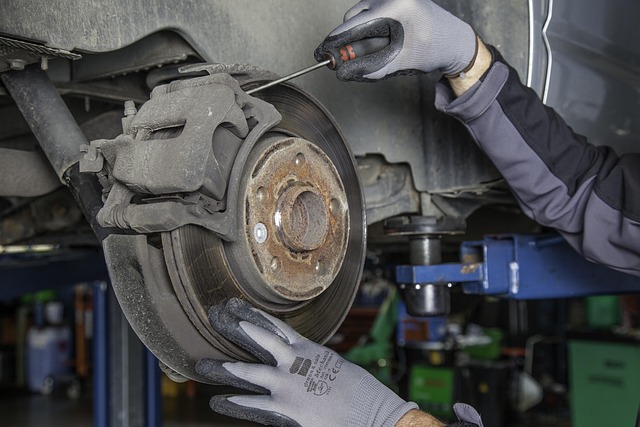
Comprehensive auto insurance with inspection offers enhanced protection for used or salvage-titled cars in California. Understanding DMV inspection fees is crucial, as they assess roadworthiness regardless of vehicle history. Salvage vehicles may require higher fees due to undisclosed previous damage. Reputable inspection services ensure transparency and accuracy, protecting buyers from hidden issues. Correctly interpreting DMV reports and adhering to state regulations for salvaged parts avoids costly mistakes. Cost savings can be achieved through specific fee structures for vehicles repurposed for part salvage or recycling, promoting eco-conscious practices.
In the realm of vehicle ownership, ensuring safety and compliance is non-negotiable. The process of buying comprehensive coverage with inspection stands as a cornerstone for responsible motorists. However, navigating this often involves cumbersome tasks, including understanding various fees, such as the DMV inspection fee. This article delves into the intricacies of this critical step, offering an authoritative guide to help you make informed decisions. We’ll explore effective strategies to streamline the process, ensuring not only your vehicle’s safety but also your satisfaction with the overall buying experience.
- Understanding Comprehensive Auto Insurance Coverage
- Benefits of Adding Inspection to Your Policy
- Choosing a Reputable Inspection Service
- Preparing for the DMV Inspection Process
- Interpreting Inspection Reports and Claims
- Saving Money: Discounts and Cost Analysis
Understanding Comprehensive Auto Insurance Coverage

Comprehensive auto insurance coverage is a crucial aspect of responsible vehicle ownership, ensuring protection against a wide range of risks beyond the standard policy limits. When purchasing a car, understanding this type of coverage is essential, especially if you’re considering a vehicle with a declared salvage or junked history. These vehicles, often re-titled and registered through processes like Salvage title replacement and re-registration via Quick Auto Tags, come with unique considerations that require careful navigation.
One key component to grasp is the role of DMV inspection fees. Unlike routine service appointments, buying a comprehensive policy doesn’t waive these fees. They remain a necessary expense when registering a vehicle, regardless of its prior condition. This is because state departments of motor vehicles (DMVs) conduct thorough inspections to ensure roadworthiness and safety. While some salvage or re-titled vehicles may pass these checks with minimal issues, others could face challenges due to their unique circumstances. For instance, older models with extensive previous damage might require additional repairs to meet current safety standards, leading to higher inspection fees.
Moreover, buyers should be aware that comprehensive coverage doesn’t necessarily erase the footprint of a vehicle’s history. A declared salvage title, for example, indicates that the car has been damaged beyond economic repair and re-titled as such. If not properly disclosed or addressed, this could impact future insurance claims and resale value. It’s crucial to verify the legitimacy of the title and understand any associated restrictions before finalizing a purchase. Additionally, buyers should consult with insurance providers to learn about specific policies regarding salvaged vehicles, ensuring they receive accurate information that aligns with current regulations and practices.
Benefits of Adding Inspection to Your Policy

Adding a thorough inspection to your vehicle insurance policy offers numerous advantages, especially when purchasing a used or salvage-titled vehicle in California. An inspection by an authorized DMV inspector ensures that you’re getting a reliable and safe ride, saving you from potential future costs and headaches. This process verifies the vehicle’s condition, identifying any pre-existing damage or hidden issues, which is crucial when buying from private sellers or dealing with salvage-titled cars.
In California, only licensed tag and title agencies can conduct inspections authorized by the DMV for salvage-titled vehicles, ensuring a legitimate and accurate assessment. This step is particularly vital when considering that one in five vehicles in the US has been damaged and repaired, yet not properly disclosed to buyers. A comprehensive inspection report provides transparency, allowing you to make an informed decision about purchasing a vehicle with a history.
For instance, a recent study revealed that approximately 20% of salvage-titled cars resold within a year had undisclosed previous damage. This highlights the importance of using DMV salvage paperwork services at reputable agencies like Quick Auto Tags to ensure compliance and peace of mind. By having an inspection done before purchasing, you can avoid buying a vehicle with hidden issues, which could lead to costly repairs or even safety hazards on the road. An authorized inspection is your best defense against unscrupulous sellers and potentially dangerous vehicles.
Choosing a Reputable Inspection Service

Choosing a reputable inspection service is a crucial step when aiming for comprehensive coverage with an inspection, especially when navigating the process of registering a salvage-titled vehicle in California. With various options available, it’s essential to find a service that prioritizes accuracy, efficiency, and customer satisfaction. One key consideration is ensuring the inspector possesses the necessary credentials and experience to handle even the most complex cases, such as vehicles with a history of being salvaged or junked.
In California, streamlining the registration of salvage vehicles has become increasingly important, prompting many to seek expert guidance. The DMV inspection fee can vary, but choosing a service that offers transparent pricing and fast turnaround times is essential for a seamless experience. For instance, Quick Auto Tags distinguishes itself by simplifying the process of salvage title re-registration, providing a hassle-free solution for owners looking to get their vehicles back on the road legally. This specialized service understands the challenges associated with salvaged or junked vehicles, offering expertise that can save time and money.
When evaluating potential inspection services, consider checking online reviews, comparing fees, and verifying their ability to handle your specific vehicle’s needs. Many reputable services will provide detailed information about their processes and qualifications on their websites, giving you a clear understanding of what to expect. By selecting a trustworthy inspection service, you can ensure a smoother registration process for your salvage-titled vehicle in California, potentially saving you valuable time and effort while adhering to legal requirements—all without breaking the bank on unnecessary fees.
Preparing for the DMV Inspection Process

Preparing for a DMV inspection is a crucial step when dealing with comprehensive coverage and re-registration, especially for salvaged or junked vehicles. Many owners of these types of cars find themselves navigating an unfamiliar process, often fraught with complexities and potential hidden fees. The DMV inspection fee can vary significantly based on your location and vehicle condition, so understanding what to expect is essential. One common scenario involves vehicles that have been sold at auction one or more times; each transaction can introduce unique considerations when it comes to title transfer and registration.
For those who need assistance with the re-titling process, seeking expert help from a specialized service like Quick Auto Tags can be invaluable. They offer guidance tailored to your specific needs, ensuring that every detail is accounted for before you approach the DMV. The process typically begins with evaluating your vehicle’s current title and identifying any discrepancies or requirements related to its history, including any salvage titles. It’s important to disclose all relevant information during this phase to avoid delays or additional charges further down the line. Many consumers are surprised to learn that a simple mistake in documentation can significantly impact their inspection fee.
During the actual inspection, DMV officers will assess your vehicle’s safety and roadworthiness. This includes checking for proper emissions control, brakes, lights, and other critical systems. For vehicles with salvage or re-titled histories, ensuring all repairs and modifications are up to code is paramount. Many states have specific regulations regarding salvaged parts and their installation, so it’s crucial to consult the latest guidelines. The good news is that many reputable junk car re-registration services can provide detailed information on these requirements, helping you avoid costly mistakes. By proactively addressing potential issues before the inspection, you can streamline the process and potentially reduce any associated fees.
Interpreting Inspection Reports and Claims

Interpreting inspection reports is a crucial step when purchasing a salvage or junked vehicle. These detailed reports, authorized by the California DMV, offer insights into a car’s history, identifying significant damage or instances where it has been deemed a total loss. Such information is vital for buyers to make informed decisions and understand the scope of repairs required, if any. One key aspect to focus on during this process is the condition of the vehicle’s frame—a critical factor in determining its safety and structural integrity.
DMV inspection fees can vary, but understanding these reports is well worth the investment. For instance, a car that has been in multiple accidents may exhibit signs of frame damage, where metal has been bent or welded improperly. This could indicate significant structural issues that compromise the vehicle’s overall stability. Conversely, if a salvage vehicle is deemed drivable with minimal cosmetic repairs, it may present a more favorable scenario for buyers looking for a project car or an affordable rebuild.
When faced with a damaged or total loss vehicle, buyers should consider re-titling and re-registering through authorized services like Quick Auto Tags. This process involves careful documentation of the vehicle’s history, ensuring that any prior damage or classification as a total loss is accurately reflected. For salvage vehicles that have been re-titled 1-3 times already, this step becomes even more critical to ensure compliance with California’s regulations. By employing expert services, buyers can streamline this often complex process, making it easier to get their hands on the desired vehicle while navigating DMV inspection fee requirements and ensuring a legitimate title transfer.
Saving Money: Discounts and Cost Analysis

Saving money is a primary concern for many individuals when considering comprehensive vehicle coverage with inspection. One effective strategy to reduce costs involves navigating the DMV inspection fee structure and exploring options beyond traditional registration. By understanding the process of re-titling salvaged and junked vehicles, you can unlock significant savings. Many states offer discounts or exemptions on DMV inspection fees for vehicles being repurposed for part salvage or recycling purposes. This provides an excellent incentive for eco-conscious consumers looking to dispose of their old cars responsibly.
For instance, let’s consider the example of a vehicle that has been damaged beyond repair but still contains valuable parts. Instead of paying full inspection fees to scrap the car, you can have it re-titled as a salvage or junked vehicle. This legal process allows for the removal of the DMV registration and title, enabling easier resale or recycling of the components. Many junkyards and salvage yards partner with licensed re-titling services, making this transition seamless. By taking advantage of these programs, you can save up to 50% on inspection fees, translating to substantial cost savings for both individual owners and businesses in the automotive industry.
Quick Auto Tags, a leading provider of junk car re-registration help, offers expertise in navigating these processes efficiently. Their services streamline the often complex paperwork required for re-titling, ensuring that clients get their salvage vehicles back on the road with ease, typically within 1-3 business days. This level of convenience and cost-effectiveness is invaluable, especially when compared to the potential expenses associated with traditional vehicle disposal methods. Understanding these strategies not only empowers individuals to make informed decisions about their old cars but also contributes to a more sustainable automotive landscape.
By equipping yourself with comprehensive auto insurance coverage and incorporating a DMV inspection fee into your policy, you gain significant advantages. This article has guided readers through essential aspects, from understanding the depth of coverage to choosing a reputable inspection service. Key takeaways include the benefits of enhancing your policy, preparing for the inspection process, and interpreting reports effectively. Moreover, practical tips on saving money through discounts and cost analysis empower individuals to make informed decisions. Moving forward, integrating these insights will enable readers to navigate their insurance landscape with confidence, ensuring they receive the best value for their investment in both protection and peace of mind.


